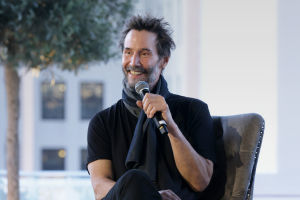
Charlie Puth is known for creating pop songs with memorable melodies, polished arrangements, and carefully crafted vocal performances. Yet there is more to his work than what listeners hear on the radio.
Behind his recordings is a musician who pays close attention to musical details, enjoys understanding how songs are built, and often takes an active role in shaping the final sound.
A Musical Interest That Began Early
Born on December 2, 1991, in Rumson, New Jersey, Charlie Puth developed an interest in music during childhood. His early education included classical music, and he learned to play the piano. Studying music at a young age gave him a foundation in melody, rhythm, and musical structure.
He later attended the Berklee College of Music in Boston, where he studied music production and engineering. This education helped him understand not only how music is performed but also how recordings are created, arranged, and refined.
That combination of performance and technical knowledge became an important part of his professional identity. Rather than approaching a song only as a vocalist, Puth could also consider the instruments, recording choices, and production details that contribute to its overall character.
More Than a Singer
Puth's career demonstrates how several musical roles can work together. He is recognized as a singer, but songwriting and production are also central to his creative process. These responsibilities allow him to shape a track from its early ideas through its finished recording.
Songwriting involves more than finding words that fit a melody. It requires decisions about structure, emotional direction, rhythm, and the relationship between lyrics and music. Production adds another layer, as artists consider instrumentation, vocal balance, sound effects, and how different elements fit together.
The Story Behind His Breakthrough
Before becoming a familiar name in mainstream pop, Puth gained attention by sharing musical performances online. Digital platforms gave him a way to reach listeners and demonstrate his abilities outside traditional music-industry channels. His career gained considerable momentum in 2015 when he collaborated with Wiz Khalifa on “See You Again,” a song featured in Furious 7. The recording became an international success and brought Puth's voice to a much wider audience.
Why Musical Details Matter to Him
One distinctive aspect of Puth's public musical persona is his interest in explaining how songs work. He has shared demonstrations of musical ideas, production techniques, and the choices that influence the sound of a recording.
For casual listeners, these details can make familiar songs more interesting. A melody that seems simple may involve careful decisions about timing, harmony, and the relationship between different instruments. Even a brief vocal effect can influence the atmosphere of an entire track.
Developing a Recognizable Pop Style
Puth's solo releases have helped establish a sound that combines accessible pop melodies with elements of contemporary production. Songs such as “Attention” and “We Don't Talk Anymore” demonstrate his ability to build tracks around memorable hooks and clear vocal lines.
His album Voicenotes, released in 2018, further showcased his interest in detailed arrangements and varied musical influences. The project allowed him to bring together songwriting, performance, and production in a collection that reflected his development as an artist.
Maintaining a recognizable style while trying new ideas can be challenging. Listeners often appreciate familiar qualities, but artists also need room to experiment. Puth's continued involvement in writing and producing gives him opportunities to balance those expectations while refining his approach.
Charlie Puth's career offers a look at the many skills involved in creating contemporary pop music. His early musical education, experience as a songwriter, and understanding of production have all contributed to the artist audiences know today. His journey also highlights the value of learning beyond one area of expertise. Singing can be the starting point, but understanding composition and recording can give musicians more ways to express their ideas.
Ultimately, Puth's work shows that memorable songs often combine strong melodies with thoughtful creative decisions. His continuing development reflects the importance of curiosity, technical knowledge, and a willingness to keep improving.