Hello, Lykkers! Have you ever noticed how a single necklace in a shop window can look more expensive than the same necklace in a drawer at home? The jewelry hasn't changed—the presentation has. Retailers spend real effort on lighting, spacing, and color because they know presentation shapes perception.
Those same techniques are not complicated, and you can use them to make your own pieces look better and to shop with a sharper eye. Here's what's really going on behind the glass.
Lighting Does Most of the Work
The first thing a good display gets right is light. Jewelry is small, reflective, and detailed, so it needs focused lighting to show its shine and color.
Shops typically use several small lights rather than one broad source, which creates highlights on metal and stones without flattening them. Position matters as much as brightness. Lights angled from above and slightly to the side bring out texture and sparkle, while direct front lighting can cause glare that hides detail. If you display jewelry at home, a small lamp placed slightly above and to one side can make a surprising difference.
Height and Grouping Guide the Eye
Displays are arranged to move your gaze in a deliberate order. Necklaces usually sit higher or on stands that lift them into view, earrings are grouped at eye level, and bracelets sit lower. This hierarchy lets shoppers take in the whole assortment quickly.
Grouping follows a similar logic. Similar pieces are often placed together so the eye can compare them easily. Within a group, one item may be slightly raised or placed forward as a focal point. The effect is an arrangement that feels organized rather than crowded, even when there are dozens of pieces on display.
Backgrounds Create Contrast
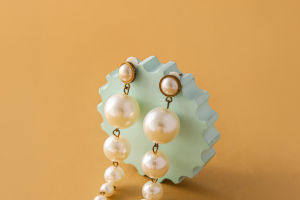
The background of a display is chosen to help the jewelry stand out. Dark fabrics make gold and light-colored stones appear richer, while pale or neutral backgrounds suit darker metals and detailed designs. Textured surfaces are used carefully, because too much texture competes with fine detail.
This is one of the easiest tricks to copy at home. A plain piece of fabric in a contrasting color—velvet, linen, or felt—can turn an ordinary shelf into a display that makes your jewelry look more considered.
Fewer Pieces, Better Impact
It may seem odd, but the best displays often show fewer items than the store actually has in stock. Empty space gives each piece room to be seen and creates a sense of quality. When too many items are crowded together, everything starts to blend into a blur.
At home, this means resisting the urge to put every piece out at once. Rotate your jewelry, display a few favorites, and store the rest. What you show will look better, and you'll rediscover pieces you had forgotten about.
Mirrors and Reflections
Many shop windows include a mirror or a reflective surface, sometimes subtly. This serves two purposes: it lets shoppers see how a piece might look when worn, and it adds depth to the display. Reflections make a small window feel larger and more inviting.
A small mirror on a dressing table or shelf can do the same job at home. It also makes it easier to try pieces on quickly, which means you're more likely to wear what you own.
How to Shop More Mindfully
Knowing how displays work can help you avoid buying on impulse. Notice whether a piece stands out because of its own quality or because of clever lighting and placement. Ask to see an item away from the display, in ordinary light, before deciding.
Take a moment to check the details the display doesn't emphasize: clasps, settings, and how the piece feels when worn. A window is designed to highlight beauty, not to answer practical questions.
Final Thoughts
Jewelry displays are a quiet form of design, built on light, contrast, grouping, and restraint. Understanding those choices makes shopping more thoughtful and gives you simple tools for displaying your own collection at home. A few small changes—better light, a plain background, and less clutter—can make everyday pieces feel special again. The next time a shop window catches your eye, look closer. There's a lesson in every arrangement.