Storage often gets treated like a hidden problem. People tuck it under beds, behind doors, and inside closets, then wonder why daily clutter keeps escaping like it has tiny legs.
For Lykkers, the smarter idea is simple: make storage attractive enough to stay visible.
When baskets, trays, shelves, hooks, and cabinets look intentional, they stop feeling like cleanup tools and start acting like decoration with a job.
Turn Useful Pieces Into Visual Features
Storage looks better when it belongs to the room's style. Instead of buying random containers and hoping they disappear, you can choose pieces that match your colors, textures, and daily habits.
Choose materials with character
The easiest way to make storage decorative is to choose materials that already look good. Woven baskets, canvas bins, wood boxes, ceramic jars, glass containers, metal trays, and fabric-covered organizers can add texture while hiding everyday items.
A plastic bin may work, but it rarely makes a room feel thoughtful. A woven basket near a sofa can hold blankets while adding warmth. A glass jar can store cotton pads, pencils, shells, buttons, or craft supplies while looking charming. A wooden box can hide chargers, letters, keys, or remote controls without screaming cleanup zone.
Try matching materials to the mood of your room. A calm room may suit natural fibers and pale wood. A modern room may suit metal, glass, and clean edges. A playful room can handle color and pattern.
Use trays to create order
A tray is one of the simplest styling tricks. Random items on a table look messy. The same items inside a tray look intentional. This is design magic with handles.
Use a tray on a coffee table for books, candles, coasters, and small objects. Use one on a desk for pens, notes, and tech items. Use one near the entryway for keys, sunglasses, and cards. The tray creates a visual boundary, so the eye reads the group as one neat arrangement.
For a better effect, mix heights. Place one flat item, one taller item, and one small decorative object together. A tray should not become a tiny landfill. Keep it edited and useful.
Make open shelves look curated
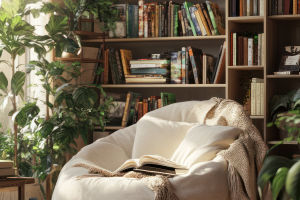
Open shelves can be beautiful or chaotic. The difference is grouping. Instead of lining everything up, create small scenes. Combine books, baskets, framed prints, jars, plants, and boxes in clusters.
A helpful method is to mix closed and open storage. Use baskets or boxes for things that look messy, then leave attractive items visible. Books, ceramics, folded textiles, and small plants can stay out. Cables, papers, tools, and spare items can hide inside containers.
Leave breathing space. Every shelf does not need to be full. Empty space helps storage look styled instead of crowded. Your shelf should look like it has thoughts, not like it just survived a tiny indoor storm.
Let hooks become wall accents
Hooks are not only practical. A row of well-chosen hooks can become wall decor. Use them for hats, scarves, tote bags, necklaces, light jackets, or pet leashes.
Choose hooks with a shape or finish that fits your room. Wood pegs feel soft and simple. Brass-tone hooks feel polished. Colorful hooks feel playful. A sculptural hook can look like an art detail even when empty. The trick is not to overload them. Three pretty bags can look stylish. Fifteen hanging items can make it look like the wall is giving up. Rotate what stays visible and store the rest elsewhere.
Hide Clutter in Plain Sight
Good storage does not make life look fake. It helps real life move smoothly. You want easy access, quick cleanup, and a room that feels calm even when daily items are nearby.
Create beautiful drop zones
Every space needs a drop zone. Without one, keys land on tables, mail spreads across counters, and small objects begin a slow takeover. A drop zone gives daily clutter a stylish landing area.
Near the entrance, use a narrow console, bowl, tray, basket, or wall shelf. Add one container for keys, one for letters, and one hook area for bags. In the bedroom, create a small tray for jewelry, a watch, lip balm, and hair ties. In the living room, use a basket for blankets and a box for remotes.
Keep each zone small. If the drop zone grows too large, it becomes clutter headquarters. The point is quick control, not a full storage empire.
Use baskets as soft furniture
Large baskets can act like flexible furniture. They fill awkward corners, soften hard lines, and hold things that usually wander around the room.
Place one beside a sofa for throws. Place one under a console for shoes. Place one near a reading chair for magazines. Place one in a child's area for toys. The basket adds shape and texture while making cleanup easy.
For a more finished look, choose baskets in similar tones across the room. They do not need to match perfectly. They just need to feel related. This creates rhythm, like the room has a quiet visual chorus.
Hide tech without fighting it
Modern homes collect chargers, cables, remotes, headphones, routers, and small devices. Tech clutter can quickly ruin a calm surface. The solution is not pretending technology does not exist. The solution is to give it a nicer outfit.
Use lidded boxes with cable openings, fabric pouches, desk organizers, or drawer dividers. Keep charging stations in one place instead of letting cables travel around like lost noodles. Label cords subtly if needed.
A decorative box on a shelf can hold spare cables. A basket beside a desk can hold larger tech accessories. A tray can keep current devices neat. When tech has a clear place, the room feels calmer and mornings feel less like a search mission.
Turn labels into design details
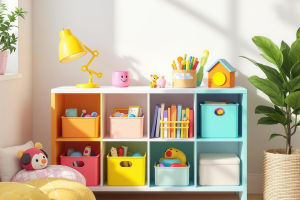
Labels are practical, but they can also look nice. Use simple tags, handwritten cards, small clips, or clean printed labels. This works well for pantry shelves, craft supplies, office papers, bathroom items, and children's storage.
Keep label style consistent. Too many fonts, colors, and shapes can make storage look busier. A simple label system makes the whole area feel thoughtful.
Labels also reduce decision stress. When every item has a clear place, cleanup becomes faster. You are not organizing from zero every day. You are just returning things to their assigned homes.
Style the top surface
Closed storage pieces can double as display areas. A cabinet, sideboard, trunk, bench, or low shelf can hide items inside while holding decor on top.
Use the top surface carefully. Add a lamp, a small plant, a framed print, a bowl, or a few books. Keep the display balanced with the storage below. If the inside holds practical chaos, the outside can still look peaceful.
This is especially useful in small rooms. One piece can store, decorate, and define a zone at the same time. That is efficient design, and frankly, storage deserves a small round of applause.
Storage can look like decoration when it uses beautiful materials, clear grouping, thoughtful placement, and easy daily systems. For Lykkers, the goal is not to hide every sign of life. It is making real life look calm, warm, and intentional. Use baskets, trays, hooks, shelves, labels, and closed pieces with style, and clutter becomes less of a problem and more of a design opportunity.