A standard portrait shows a person. A portrait that works as storytelling shows who they are.
The difference lies in a collection of deliberate decisions: what's included in the frame, where the light falls, what the background contributes, what expression is captured, and at what precise moment.
None of these choices happen automatically. They're the result of a photographer who approaches the session with clear intention, not just a camera.
The Environment Tells Half the Story
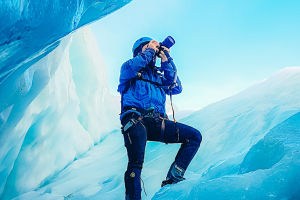
Context is one of the most powerful tools in portrait photography. Photographing a musician in a workspace, a farmer in the field where they work, or a chef surrounded by the controlled chaos of a professional kitchen—each setting communicates before the subject's expression has to do any work. The environment does half the storytelling.
Wide-angle lenses are particularly useful for this kind of environmental portraiture. A wide-angle lens, used with a narrower aperture to keep both subject and surroundings in focus, lets the frame hold the whole picture rather than isolating the subject from the world they inhabit. The choice of lens should reflect what the photograph is trying to say.
When the environment isn't important—when the story is really the subject, their expression, or their features—a longer telephoto lens with a wide aperture reduces background distractions, isolating the person and concentrating visual attention on them.
Look for the Details That Define a Person
A close portrait can't tell the whole story of a person. Neither can a single wide frame. The most revealing portraits are often created through a series of images—not just the face, but the hands that have worked for decades, the desk that shows what occupies someone's mind, the worn edges of their tools, and the small personal objects they keep nearby.
Hands in particular are expressive in a way that faces are not—they hold information about a person's life, work, and history in their textures and shapes. Getting close to a pair of hands, or to a telling detail in a subject's environment, and then pulling back to the full face creates a more complete portrait than any single frame could.
Emotion Requires Genuine Connection
The most technically accomplished portrait fails if the subject is guarded or uncomfortable. Capturing a genuine expression requires creating the conditions for it, not simply directing it.
This means conversation—real conversation, not just direction—before the camera comes up seriously. It means giving subjects time to forget the camera is there. It means asking them to move, interact with something, or reflect on something meaningful, rather than asking them to hold an expression.
The best photographs often come after someone has forgotten they're being photographed—when their natural expression returns and what is authentic replaces what is performed. Making the session enjoyable and low-pressure is as much a technical skill as understanding aperture.
Light Shapes the Story
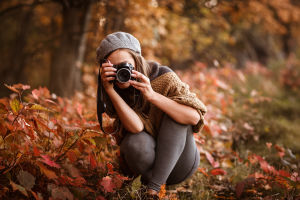
In portrait photography, light is not decoration—it's a tool for revealing character. Bright, even lighting conveys clarity and friendliness, making the subject appear approachable and open. High-contrast, directional lighting—a single source from the side, with deep shadow on the opposite side—introduces complexity and depth.
A balanced pattern of light and shadow can create dimension and visual interest, helping the subject stand out naturally within the frame. The key is always to match the lighting choice to what the portrait is trying to communicate.
Composition as Emotional Direction
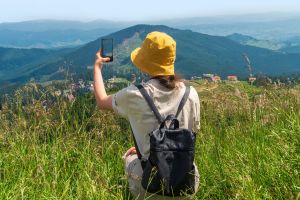
Where a subject is placed within the frame sends emotional information before the viewer consciously registers it. A subject filling most of the frame feels immediate, intimate, and engaging. A subject in a field of negative space—a small figure in a large, empty landscape—can feel isolated, reflective, or free, depending on the other elements.
Leading lines—roads, hallways, or pathways—that draw the eye toward the subject create a sense of journey or arrival. The rule of thirds places subjects at positions that feel naturally balanced without being static.
These aren't rules to follow mechanically. They're tools to use with intention. The question to ask before every compositional decision is what it contributes to the story the image is trying to tell.
A memorable portrait does more than document appearance. It communicates personality, emotion, and context through deliberate choices in light, composition, environment, and timing. When every element in the frame supports the story, the result is a portrait that not only captures a person but also reveals something meaningful about who they are.