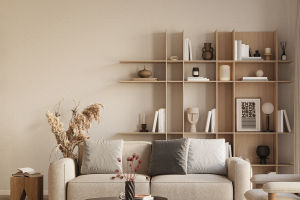
There's a distinct comfort in walking into a room where materials feel real and unforced.
A natural wood living room doesn't rely on bold decoration or complex design. Instead, it draws you in through quiet textures, soft tones, and a sense of balance that feels almost effortless. The appeal lies not in excess, but in restraint.
What Defines a Natural Wood Space
A natural wood living room centers around authenticity. The focus is on materials that retain their original character—visible grain, subtle color variation, and tactile surfaces.
This style avoids artificial finishes or overly polished appearances. Instead, it celebrates imperfections, allowing each piece to tell its own story. The result is a space that feels grounded and approachable.
Key characteristics include:
1. Visible wood grain that adds organic detail.
2. Soft, neutral tones that create a calm backdrop.
3. Minimal ornamentation to maintain visual clarity.
These elements work together to create an environment that feels both simple and intentional.
Choosing the Right Wood Tones
Not all wood tones produce the same atmosphere. Light woods like oak or ash create an airy, open feeling, while deeper tones add warmth and depth.
Consistency is important, but perfect matching is not required. In fact, slight variation can enhance the space when handled carefully.
To achieve balance:
1. Stick to one dominant tone for larger surfaces .
2. Introduce subtle variation in smaller pieces.
3. Avoid extreme contrasts that disrupt harmony .
The goal is cohesion without uniformity.
Furniture That Feels Grounded
Furniture in a natural wood living room tends to be simple in form but rich in material presence. Clean lines allow the wood itself to stand out.
Low-profile seating, solid wood tables, and open shelving help maintain a sense of openness. Avoid overly decorative shapes, as they can compete with the natural textures.
When selecting pieces, prioritize:
1. Solid construction for durability.
2. Functional design that serves daily needs.
3. Balanced proportions to avoid visual heaviness.
Each item should feel purposeful rather than decorative.
Layering Texture for Depth
Without strong color contrast, texture becomes essential. A natural wood space relies on the interaction of different surfaces to create interest.
Soft fabrics like linen or cotton can complement the firmness of wood. A woven rug, a textured cushion, or a subtle wall finish adds variation without overwhelming the design.
Lighting also enhances texture. Warm, diffused light highlights grain patterns and creates gentle shadows, making the space feel more dynamic.
Keeping the Space Uncluttered
Clutter disrupts the calm effect of a natural wood interior. The simplicity of the style requires careful editing of what remains in the room.
A practical approach includes:
1. Limiting decorative items to a few meaningful pieces.
2. Maintaining clear surfaces for visual breathing room.
3. Using hidden storage to keep essentials organized.
This doesn't mean the room should feel empty. Instead, every object should have a clear role.
Bringing Nature Indoors
Natural wood pairs naturally with elements inspired by the outdoors. Indoor plants, stone accents, or soft textiles in earthy tones can reinforce the connection.
These additions should feel integrated rather than placed for effect. A single well-positioned plant or a carefully chosen accessory can be more impactful than multiple scattered items.
The idea is to extend the natural feeling, not overwhelm it.
A Space That Feels Effortless
A natural wood living room is not about achieving perfection. It's about creating a space that feels easy to live in—where materials age gracefully and design choices remain relevant over time.
When everything is reduced to what truly matters, the room gains a quiet clarity. It becomes a place where comfort is not added through decoration, but built into the foundation itself.