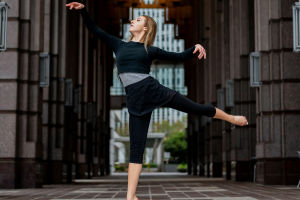
Great photography is not only about having a good camera or finding a beautiful subject.
What truly makes an image stand out is how the elements inside the frame are arranged.
This visual arrangement is known as composition, and it plays a major role in determining whether a photograph feels balanced, engaging, or memorable. By learning a few essential composition concepts, photographers can guide the viewer's eye, highlight important subjects, and create images that feel both natural and visually powerful.
Understanding What Composition Means in Photography
Composition refers to how visual elements are arranged within the boundaries of the frame.
It determines the structure of the photograph and influences how viewers interpret the scene.
Every decision about what to include, exclude, or emphasize contributes to the final composition.
Why Composition Plays a Critical Role in Visual Storytelling
The way elements are positioned affects how people perceive and emotionally respond to an image.
Thoughtful composition allows photographers to express their unique perspective on a scene.
A carefully arranged photograph often appears more harmonious and visually appealing.
Using the Rule of Thirds to Build Balanced Images
The rule of thirds divides the frame into nine equal sections using two vertical and two horizontal lines.
Placing important subjects along these lines or their intersections creates a balanced and engaging composition.
This approach helps avoid placing the subject directly in the center, which can sometimes feel static.
Guiding the Viewer's Eye with Leading Lines
Leading lines naturally direct the viewer's attention from one part of the image to another.
Roads, fences, rivers, or architectural features often serve as strong visual guides.
These lines create depth and help the viewer explore the photograph step by step.
Adding Interest Through Texture
Texture introduces tactile visual detail that can make a photograph more engaging.
Contrasting textures—such as smooth and rough surfaces—create visual variety.
Side lighting often emphasizes texture, while direct lighting can flatten it.
Using Color to Strengthen Visual Harmony
Color relationships play an important role in guiding attention and creating mood.
Complementary colors can create strong contrast that highlights the main subject.
Consistent color palettes help unify different elements within the frame.
Organizing Images with Shapes
Shapes provide a structural foundation for arranging elements in a photograph.
Different shapes evoke different emotional responses, such as stability or movement.
Simplifying a scene into basic shapes can make composition easier to control.
Creating Balance with Symmetry
Symmetry occurs when both sides of an image appear visually balanced or mirrored.
Even when a scene is not perfectly symmetrical, near symmetry can create a strong sense of order.
Reflections in water or architectural patterns often produce powerful symmetrical compositions.
Enhancing Impact Through Contrast
Contrast highlights differences between elements, making certain parts of the image stand out.
Photographers can use tonal contrast, color contrast, or conceptual contrast to create emphasis.
Strong contrast often adds drama and directs the viewer toward the most important details.
Leaving Space to Suggest Movement
The rule of space suggests leaving room in front of a moving subject.
This space allows viewers to imagine where the subject is going.
The technique works especially well for action scenes and environmental portraits.
Using Odd Numbers for Dynamic Composition
Odd numbers of subjects often feel more dynamic and visually interesting than even numbers.
Groups of three or five objects naturally guide the viewer's eye through the image.
This technique is commonly used in food photography and still life compositions.
Building Strong Images with Triangular Arrangements
Triangles are one of the most effective shapes for organizing visual elements.
They create a sense of stability while still allowing movement within the frame.
Portrait poses, landscape features, and architectural forms often naturally form triangular compositions.
Applying the Golden Ratio for Natural Balance
The golden ratio is a mathematical relationship often found in natural forms.
It can be applied through special grids or spiral patterns to guide subject placement.
Many photographers use it to create compositions that feel naturally balanced and visually pleasing.
Practicing Composition to Develop Visual Instinct
Learning composition involves experimenting with different guidelines and observing the results.
Practicing each technique individually helps photographers understand how it influences the image.
Over time, these decisions become instinctive rather than mechanical.
Conclusion: Using Composition as a Creative Tool
Composition techniques provide valuable guidance for creating stronger photographs.
However, they should be treated as flexible tools rather than strict rules.
By experimenting with different approaches, photographers can develop their own visual style and create images that truly stand out.