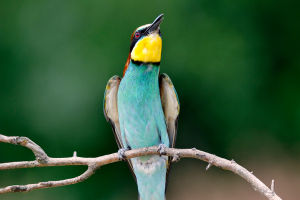
Hello, Lykkers! When we walk through a quiet park or forest and suddenly notice a flash of blue above us, we are probably looking at Cyanistes caeruleus, a tiny bird that stands out for its bright colors and energetic behavior.
This small bird, scientifically known as Cyanistes caeruleus, may measure only about 10.5 to 12 cm in length, but its presence is impossible to ignore
We often find it in temperate and subarctic regions of Europe, as well as parts of western Asia. Unlike many other birds, it does not travel long distances during seasonal changes. Instead, we can enjoy seeing it throughout the year in woodlands, gardens, and even city parks.
Scientific Roots and Classification
The species was first described in 1758 by the Swedish naturalist Carl Linnaeus. At that time, it was named Parus caeruleus. Later studies, especially genetic research focusing on mitochondrial DNA, showed that this bird is different enough to belong to its own genus, Cyanistes.
For a long time, scientists debated whether Cyanistes should remain part of the larger Parus group. The British Ornithologists' Union recognized it as a separate genus, and modern DNA evidence supports this decision. This classification helps us better understand how closely, or distantly, related it is to other species in the same family.
Bright Feathers and Clear Markings
One reason we quickly recognize Cyanistes caeruleus is its colorful appearance. The crown on its head is bright blue, and a dark blue line runs through its eyes, giving it a lively expression. Its forehead is white, which creates a beautiful contrast.
The wings show a clear white bar, and the neck, wings, and tail are shades of blue. The back appears yellow-green, while the underparts are mostly soft yellow with a darker vertical line running down the chest and belly. The beak is black, the legs are bluish grey, and the eyes are deep brown. Young birds usually appear more yellow and less sharply marked. These bold colors make the bird highly distinctive and easy to recognize in the field.
Behavior: Agile and Fearless
“You’ll often see them clinging confidently to the feeder after other birds have flown off.” — RSPB.
Cyanistes caeruleus is extremely active. We often see it moving quickly among thin branches, sometimes hanging upside down to search for food. It can cling to almost any surface with impressive balance.
During winter, it may join mixed flocks with other passerine species. However, it often prefers the thinner outer branches where it can show its agility. In bad weather, it may hide in tree holes or thick evergreen plants for protection.
Although life in the wild can be short for many individuals, the species remains very common and widespread. According to the IUCN Red List, its conservation status is Least Concern, meaning it is not currently at serious risk on a global scale.
Diet: Small Bird, Big Appetite
We can think of Cyanistes caeruleus as a tiny insect hunter. It feeds mainly on insects and other small invertebrates such as aphids, caterpillars, and leaf miners. It is an active forager and can help reduce numbers of small tree-dwelling insects. Sometimes it pulls apart buds to reach hidden prey inside. During colder months, when insects are less available, it also eats seeds and other plant food. This flexible diet helps it survive throughout the year.
Singing Through the Seasons
If we listen carefully, we can hear this bird singing during most months of the year. Its song becomes especially frequent between late winter and early summer. During this time, males sing to defend territory and attract mates.
The calls are high and cheerful. When we walk in early spring, their song often feels like a natural sign that warmer days are coming.
Why We Should Care About This Little Bird
Lykkers, Cyanistes caeruleus may be small, but it plays an important role in keeping insect populations under control and adding color and sound to our environment. When we protect green spaces, plant native trees, and reduce pollution, we help ensure that this bright blue bird continues to thrive.
Next time we notice a quick flash of blue in the trees, let’s pause and appreciate the detail, energy, and beauty of this tiny creature. Sometimes, the smallest birds bring the greatest joy.