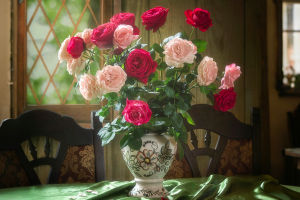
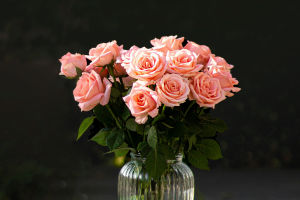
Have you ever walked into a room and felt instantly uplifted by a beautiful vase of flowers on the table?
There's something magical about how fresh blooms can brighten a space, lift your mood, and bring nature indoors.
Yet, arranging flowers at home can feel intimidating if you don't know where to start. With a few thoughtful techniques, anyone can transform fresh flowers into eye-catching compositions that suit your style and space.
Creating harmonious home arrangements is not just about throwing flowers into a vase. It's about understanding color, balance, texture, and proportion. With practice, arranging flowers can become a creative, meditative hobby that enhances both your home and well-being.
Choosing the Right Flowers and Foliage
1. Seasonal Selection
Opt for flowers that are in season to ensure freshness, longevity, and cost-effectiveness. For example, tulips in spring, sunflowers in summer, chrysanthemums in autumn, and amaryllis in winter. Seasonal blooms also harmonize naturally with your home's colors.
2. Mix Textures and Shapes
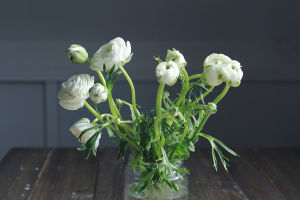
Combine flowers with different petal shapes and foliage textures. For instance, pairing round ranunculus with spiky lilies or soft ferns creates depth and visual interest. Varying heights and widths will make the arrangement more dynamic.
3. Complementary Colors
Choose a color palette that suits your room. Monochromatic schemes create elegance, while contrasting colors bring energy. Soft pastels can feel calming, whereas bold reds and oranges add vibrancy.
Preparing Flowers for Arrangements
1. Trim Stems Properly
Cut stems at a 45-degree angle to increase water absorption and prevent blockages. Remove any leaves below the water line to avoid bacterial growth.
2. Condition Flowers
Before arranging, place flowers in clean, lukewarm water for a few hours. Conditioning revives them, helping petals and leaves look fresh longer.
3. Use Flower Food
Add commercially available flower food to water, or a homemade mix of sugar, lemon juice, and a few drops of bleach. This nourishes the blooms and keeps water clean.
Arrangement Techniques
1. Balance and Symmetry
Start with the largest or tallest flowers as the focal point. Place secondary flowers around them, balancing the composition visually. Avoid overcrowding one side to maintain harmony.
2. Layering Heights
Create depth by layering flowers at varying heights. Taller stems in the center or back, medium ones surrounding them, and shorter blooms at the front create a natural, garden-like effect.
3. Experiment with Containers
Use vases of different shapes and materials to suit your arrangement style. Narrow vases emphasize vertical arrangements, while wide bowls allow sprawling compositions. Even a teacup or mason jar can add charm.
Maintaining Freshness
1. Water Regularly
Check water daily and top up as needed. Fresh water reduces bacteria and prolongs flower life.
2. Keep Away from Heat
Avoid placing arrangements in direct sunlight, near radiators, or in drafts. Moderate temperature and indirect light help flowers stay vibrant.
3. Refresh and Rotate
Remove wilted flowers promptly to prevent affecting surrounding blooms. Rotating arrangements occasionally ensures even light exposure for all stems.
Mastering home flower arrangements doesn't require perfection—creativity and observation go a long way. By selecting the right blooms, preparing them thoughtfully, and arranging with balance and texture in mind, you can turn simple flowers into stunning focal points in your home. Over time, these techniques will become second nature, allowing you to enjoy fresh, vibrant, and uplifting floral displays every season. Whether it's a weekend project or a daily ritual, flower arranging is a beautiful way to connect with nature and enhance your living space.