Are you a fan of sleek simplicity or do you prefer bold, abundant designs? When it comes to home decor, two popular styles often spark debate: minimalist and maximalist.
Each has its own unique charm, and understanding their differences can help you define your personal style and create a space that truly reflects who you are.
What Is Minimalism?
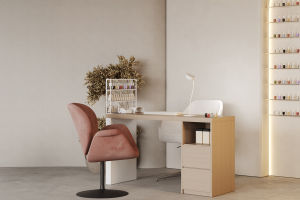
Minimalism is all about simplicity and function. It emphasizes clean lines, uncluttered spaces, and a restrained color palette. The focus is on quality over quantity, with each piece carefully chosen for its purpose and beauty. Minimalist homes often use neutral colors like white, beige, and gray, allowing natural light and architectural features to stand out. The goal is to create a calm, peaceful environment free from distractions.
The Appeal of Maximalism
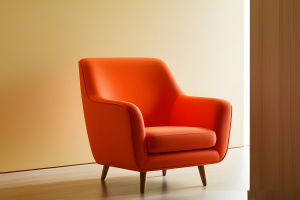
Maximalism, on the other hand, embraces abundance and personality. It encourages mixing patterns, textures, and vibrant colors to craft a lively, expressive space. Maximalist decor is about layering—think bold wallpaper, eclectic furniture, and a rich collection of art and accessories. This style celebrates individuality and creativity, transforming a home into a vivid, personal gallery.
Key Differences Between Minimalist and Maximalist Styles
While minimalism values simplicity, maximalism thrives on complexity. Minimalist spaces are tidy and spacious, often featuring multi-functional furniture to maintain order. Maximalist homes are cozy and filled with items that tell stories, showcasing collections, travel souvenirs, and personal mementos. Color schemes differ greatly too: minimalism sticks to a neutral or monochrome palette, while maximalism uses bold, contrasting colors to energize the room.
Choosing the Right Style for Your Space
Before deciding which style suits you, consider your lifestyle and space. Minimalism works well in smaller homes or apartments where space is limited, as it avoids clutter and maximizes openness. It's ideal for those who seek a serene environment and enjoy a clean aesthetic. Maximalism suits larger spaces where there is room to experiment with decor, or for those who love expressing their personality through a rich, detailed environment.
How to Blend Both Styles
Not ready to fully commit to either extreme? You can blend elements of minimalism and maximalism for a balanced look. For instance, start with a minimalist foundation—neutral walls, simple furniture—and add maximalist touches like colorful cushions, patterned rugs, or art pieces. This approach creates visual interest without overwhelming the senses, combining calm with creativity.
Practical Tips for Minimalist Decorating
• Declutter regularly to maintain a tidy space.
• Choose furniture with clean, straight lines.
• Use a limited color palette to create harmony.
• Incorporate natural materials like wood and stone for warmth.
• Let natural light enhance the simplicity of the room.
Practical Tips for Maximalist Decorating
• Don't be afraid to mix patterns and textures.
• Display personal collections and meaningful items.
• Use vibrant colors to energize the space.
• Layer lighting with lamps, chandeliers, and sconces for depth.
• Combine vintage and modern pieces for a unique vibe.
The Psychological Impact of Each Style
Minimalism is often linked to reducing stress and improving focus. A clutter-free environment helps clear the mind, which is why many find minimalist homes soothing. Maximalism, conversely, can stimulate creativity and joy by surrounding you with colors and objects that inspire. Choosing your style can therefore influence not only your home's look but also your emotional well-being.
Expert Opinions on Style and Well-being
According to interior psychology experts, the environment we live in shapes our mental state. Dr. Sally Augustin, an environmental psychologist, notes that minimalist spaces reduce cognitive overload, which can benefit those prone to anxiety. Conversely, maximalist settings can boost mood and motivation by providing visual stimulation and a sense of personal identity. Understanding this can guide your style choice based on what supports your lifestyle best.
Final Thoughts: What's Your Style?
Whether you gravitate toward the serene simplicity of minimalism or the vibrant expression of maximalism, the most important thing is that your home feels authentic to you. Take time to explore both styles, try mixing elements, and notice how different designs make you feel. Your home is your personal sanctuary—make it a place that energizes and comforts you every day.
What style speaks to you most? Share your thoughts or questions below — I'd love to hear about your design journey!